Seat reservations are a separate part of the journey. Some services allow pass holders to board without reserving, while others require a reservation for a specific departure.
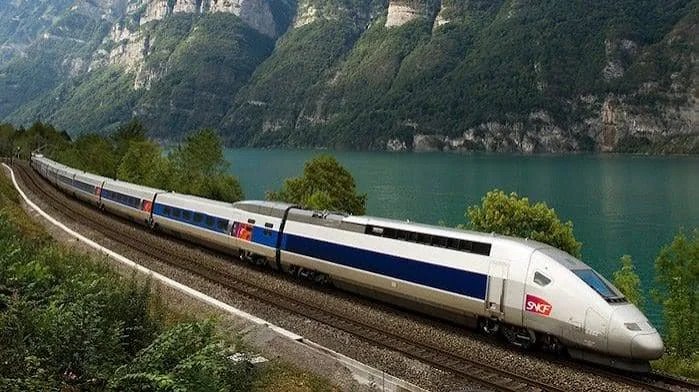
According to the official rail-pass reservation guide, reservations are mandatory on most high-speed services and night trains. Requirements are particularly important to check when planning routes through France, Italy and Spain.
Reservation charges depend on the train and route. Check what your specific pass includes, whether any reservation credits apply and which supplements remain payable separately.
For visitors travelling from North America or Australia, this detail can change both the budget and the itinerary. A pass bought months ahead does not guarantee that the desired train will have space available when you finally reserve.
Build a rough route before purchasing. Identify the journeys that must happen on fixed dates, then check reservation availability and compare the combined cost with individual tickets.
For a flexible trip, consider slower services where reservations are unnecessary. They may create more opportunities to stop in smaller towns, although the extra travel time should be part of the decision.
Night trains also deserve careful comparison. Check the accommodation type, reservation cost and arrival time before treating one as a replacement for a hotel night.
A rail pass works best when its flexibility matches your plans. A tightly scheduled holiday with only a few journeys may call for a different ticket strategy.