The journey towards Europe is entering a new era, with digital controls on different borders and procedures for millions of tourists visiting the Schengen area.
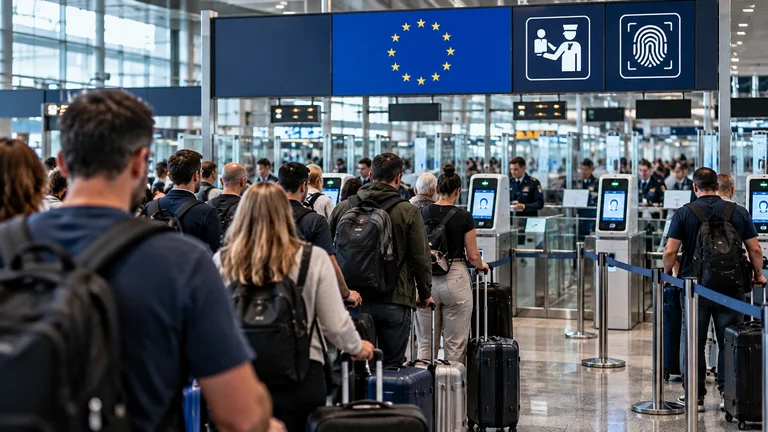
The European Union has fully established the Entry/Exit System (EES) system, which electronically records the entrances and exits of travelers from countries outside the EU that stay for short periods.
According to the European Commission, the system has been fully operational since April 10, 2026, after a six-month period of gradual implementation.
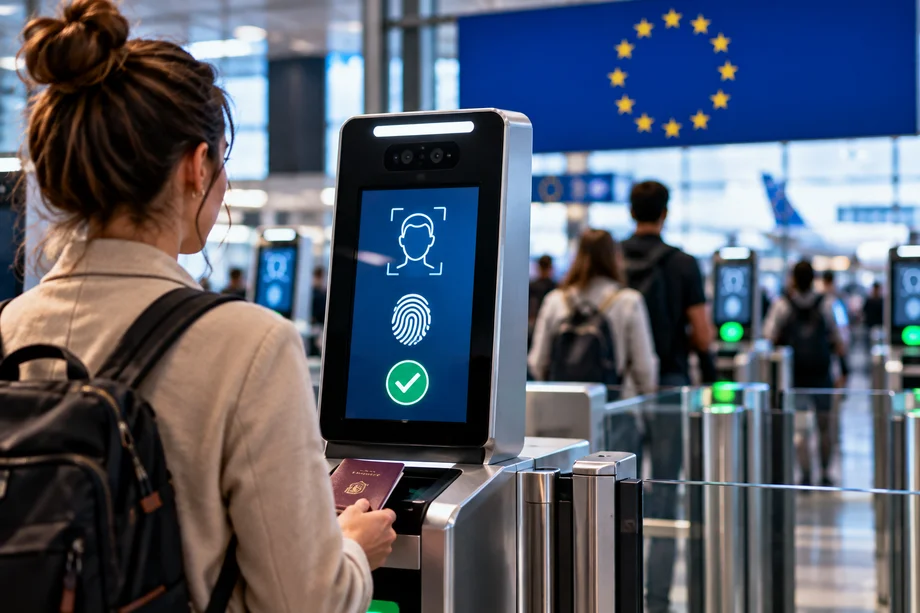
The main difference is that traditional stamps on passports have been replaced by electronic recordings, which include records of travel document, facial photo and fingerprints.
The system applies to 29 European countries and affects travelers who are not citizens of the EU or other countries exempted from these procedures.
For American, British, Canadian tourists and many other international travelers, this means that the first entry after implementation of the system could include recording biometric data.
On later visits, authorities can use the records of identity verification.
The European Commission says the goal is to improve border security, facilitate the identification of persons who exceed the allowed period of residence and modernisation of control procedures.
However, travelers must consider the possibility of waiting during the raids, especially at airports and border points with large flows.
Besides EES, the European Union is preparing another significant change.
This is about European Travel Information and Authentication System, known as ETIAS, an electronic travel authorisation for citizens of countries that can currently visit many European countries without visas.
According to the official European Union page, E TIAS is still not functional and applications are not opened.
European authorities have predicted its start during the last quarter of 2026, but the final date has not been confirmed.
When it starts, travelers subject to this system will have to apply for authorization before the trip.
The projected fee is 20 euros, while authorisation will usually be valid for up to three years or until the passport expire, if that happens earlier.
ET The IAS is not a visa and does not automatically change the rule of residence to up to 90 days within a 180-day period.
One important difference is that the EES is used during crossing the border, while the ETIAS will request authorisation before the start of travel for citizens involved in the scheme.
European Commission also warns travellers to beware of unofficial sites offering applications for ETIAS before the system opens.
For now, tourists do not need to apply for ETIAS, but must check entry rules and passport validity ahead of travel booking.
Changes are of particular importance to travelers planning holidays, business trips, or family visits to Europe over the coming months.
With new digital systems, a preliminary audit of documents and entry requirements may help avoid delays and unexpected problems at the border.