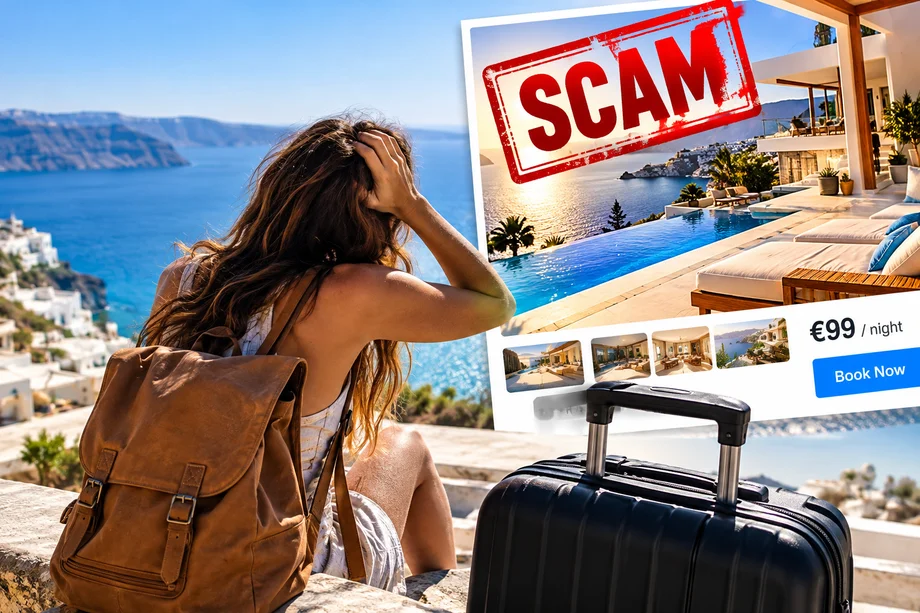
A cottage with a private pool, spectacular view by the sea and a far lower price than other offers. For many tourists, this seems to be an ideal opportunity for dream holidays. But in some cases, a completely different reality is behind beautiful photographs: There is no such thing as property, booking is false, or receiving a payment has nothing to do with accommodation.
Frauds with holiday bookings have become a concern for travelers seeking internet accommodation. According to warnings from the US Federal Trade Commission (FTC), frauds use false ads, pages imitating recognised platforms and offers at extremely low prices to get tourist money.
One of the most common tactics is the creation of an announcement taken from real estate. The tourist feels that he has found a fine offer, communicates with the person represented as the owner, and is persuaded to pay in advance.
The problem is revealed only when the traveler seeks booking confirmation or arrives at his destination.
Consumer security experts warn that the pressure to pay immediately is one of the main signs of fraud. Expressions like “oferta expires after a time” or “we have five interested persons” used to spur hasty decisions.
The danger increases when payment is required outside the reservation, through irreversible transfers or methods that offer no consumer protection.
Even professional photographs are not guarantees. An opposing search of images may reveal whether the same villa is advertised with different names, awards or addresses.
Before booking, travelers are advised to check previous comments, property locations and bidder identity. The payments must be carried out through official channels, and any suspicious communication must be reported.
The message to tourists is simple: an offer that seems too good to be true deserves double control.
Because sometimes what begins with a photograph of paradise can end with loss of savings and no place to spend the night.