The International Air Transport Association’s baggage guidance confirms that baggage allowances remain airline specific. Dimensions, weight and the number of permitted items all deserve attention.
Before packing, check every flight in the itinerary. A long-haul ticket’s allowance may differ from that of a separately booked regional flight in Europe, North America or Australia.
Measure the bag with its wheels and handles included. Check whether the airline treats a laptop bag or handbag as a separate personal item, and whether the weight limit applies to individual bags or their combined weight.
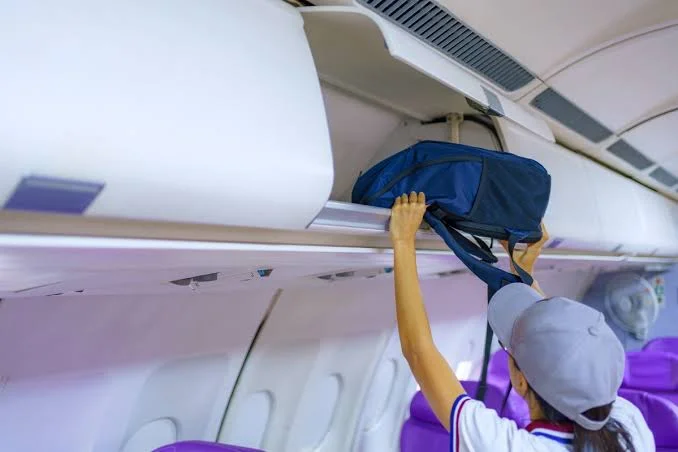
Packing correctly also means understanding battery rules. Power banks and spare lithium batteries belong in carry-on baggage, with protection against short circuits. If your cabin bag is taken for loading into the hold, remove those items before handing it over. Review IATA’s electronic-device guidance and your airline’s specific restrictions.
Keep passports, essential documents and valuable items accessible in a small bag that complies with the airline’s allowance. This makes an unexpected gate check easier to manage.
Check security rules for departure and connecting airports as well. Airline baggage acceptance and airport security screening are separate requirements.
The best carry-on bag for a trip is the one that meets the rules of the flights you have booked. A product label alone cannot confirm that.