Battery health deserves a place near the top of any used EV checklist. The useful question is how much energy the battery can store compared with when it was new, and whether that capacity meets your driving needs.
Ask for a battery health assessment and an explanation of how it was measured. A dashboard range estimate is not the same as a battery test because it can change with temperature, driving style and recent energy use.
The AA’s used-car guidance identifies battery health, condition, specification and running costs as important factors when assessing a used electric vehicle.
Next, check the remaining battery warranty. Read the actual terms for that vehicle and market, including mileage limits, transferability and any minimum capacity guarantee. A warranty advertised in the United States should not be assumed to apply identically in Canada, Europe or Australia.
The Department of Energy’s EV ownership guidance notes that battery life depends on factors including climate, charging patterns, chemistry and thermal management.
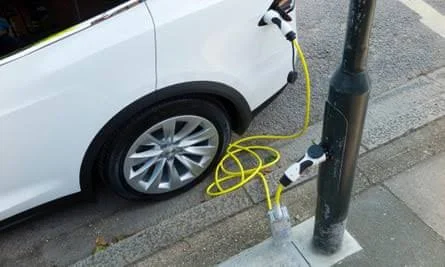
Arrange an inspection that also covers the underbody, suspension, brakes and charging equipment. Confirm that the vehicle can use the chargers you expect to rely on, particularly if it is an imported model.
Finally, test the car on roads similar to your normal journeys. A used EV does not need to retain its original range to be useful. It needs sufficient range, dependable charging and an asking price that reflects its condition.



