A headline saying that “the UN has voted” can describe very different events. It might refer to a broad diplomatic statement supported by countries around the world, or to a Security Council decision with binding consequences. To understand the significance, readers first need to know which part of the organization acted.
The United Nations is a forum for cooperation among sovereign states, rather than a government above them. Its work depends on powers granted by its Charter and decisions made by its members. That structure gives it international reach, but also makes disagreement between governments an unavoidable part of its operations. The UN explains these limits in its introductory guide. United Nations guide
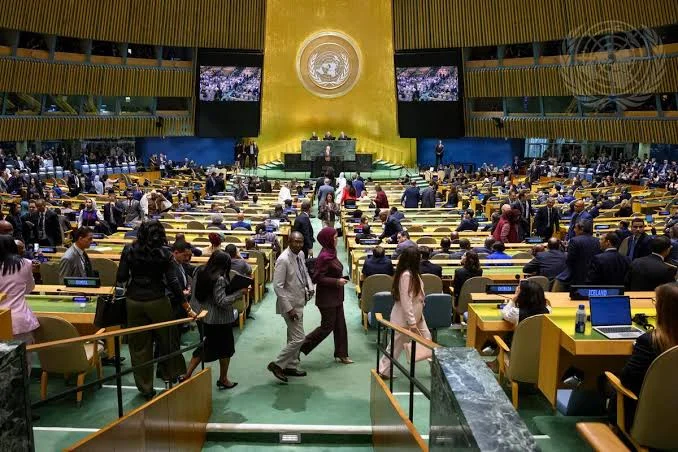
The General Assembly is the organization's broadest debating chamber. Every member state has one vote, giving small countries a formal voice alongside major powers. It discusses international issues, approves the UN budget and elects members to certain UN bodies. Many of its resolutions on world affairs are recommendations rather than binding orders to governments. General Assembly functions
That does not make an Assembly vote meaningless. A large majority can demonstrate diplomatic isolation or substantial support for a policy. However, the size of a majority and the legal effect of a resolution answer different questions. A headline reporting overwhelming support should not automatically be read as announcing a new enforceable global law.
The Security Council has primary responsibility for international peace and security. It has 15 members, including five permanent members: China, France, Russia, the United Kingdom and the United States. The other ten serve elected terms. Its responsibilities and powers differ from those of the General Assembly. About the Security Council
Voting rules help explain why the Council can struggle to act even when most members agree. Substantive decisions require at least nine affirmative votes and no veto from a permanent member. An abstention by a permanent member does not, by itself, block adoption. Procedural decisions follow different rules and are not subject to the veto. Security Council voting system
For example, a hypothetical substantive proposal supported by 14 members can fail if the remaining vote is a permanent member's veto. Describing that result simply as “the UN rejected the proposal” would conceal a central fact: most Council members supported it, but the voting system prevented adoption.
The organization also includes bodies with less visible but distinct responsibilities. The Secretariat carries out its day-to-day work, while the International Court of Justice deals with legal disputes between states within its jurisdiction and provides advisory opinions. The Economic and Social Council addresses cooperation on economic, social and related matters. UN main bodies
For readers, the most useful approach is to identify the institution, the wording of the decision and the next practical step. A speech, a draft resolution, an adopted resolution and an implemented measure are separate developments. Reporting that blurs those stages can make diplomacy appear either more powerful or less meaningful than it is.
Understanding how the United Nations works therefore changes how international news is read. The central question is not simply whether the UN “did something,” but who acted, under which authority, and what governments or institutions are expected to do afterward.



