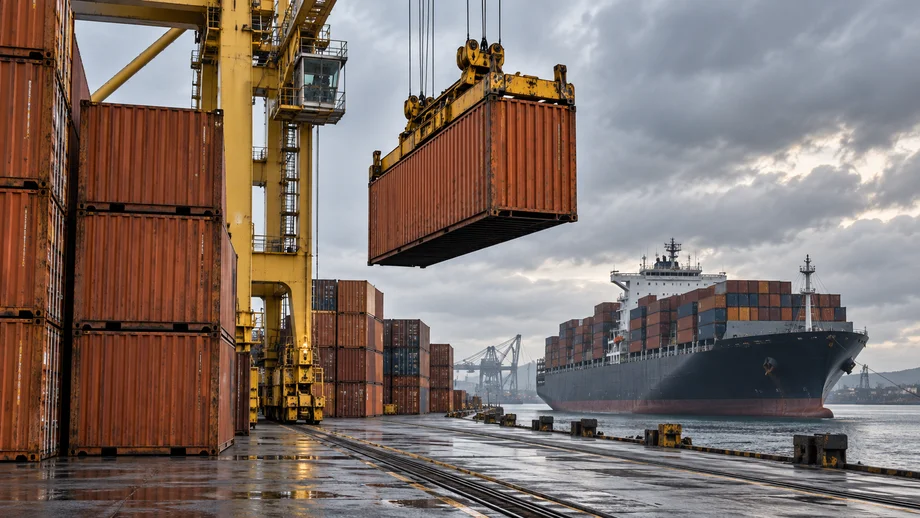
A tariff can begin as a government decision and eventually appear in the cost of a kitchen appliance, a replacement car part or a business order. Between those two events, companies make decisions about suppliers, selling prices and profit margins. The question of who pays tariffs therefore has two answers: who transfers the money to customs, and who ultimately bears the cost.
The World Trade Organization defines tariffs as customs duties on imported merchandise. They raise government revenue and can give locally produced alternatives a price advantage. Some duties are calculated as a percentage of a product's customs value, while others depend on quantity or combine different methods. The rate applicable to a shipment depends on the relevant tariff rules.
As the Bank of Canada explains, the importer pays the tariff to the government imposing it. This is different from the exporting country's government sending a payment. However, identifying the importer does not establish how the burden will eventually be distributed among businesses and customers.
Consider a simplified example in which an importer buys goods with a customs value of $100 and a 10% duty applies. The duty is $10. That calculation alone does not mean an item already selling for $200 must rise to $220. Retail prices also reflect transport, distribution and other costs, and companies may change their margins or purchasing arrangements. The example excludes other taxes and charges.
An exporter might reduce its price to retain the order. An importer might accept a smaller margin, negotiate with suppliers or increase the price charged to retailers. A retailer can then absorb some of the increase or pass it to customers. Research discussed by the Federal Reserve Bank of New York distinguishes these price adjustments from the formal obligation to pay the duty.
The timing can also vary. Stock already purchased may continue to sell at an existing price, while later deliveries arrive with a different cost. A manufacturer buying imported components may feel the impact before its finished products reach shops. This makes it difficult to identify the full effect of a tariff by inspecting a handful of retail prices immediately after an announcement.
For businesses in Germany, France or Switzerland selling into an overseas market, the commercial question is whether customers will accept the revised price. For a Canadian or American manufacturer buying foreign parts, the concern may instead be the cost of production. A single trade measure can create different pressures depending on which side of the transaction a company occupies.
Domestic production does not automatically eliminate exposure. The Bank of Canada describes how modern supply chains can move components across borders before a product is completed. A locally assembled item may still depend on imported materials. The label on the finished product is therefore only part of the cost story.
Readers should also distinguish a headline tariff rate from the duty applying to a particular purchase. The WTO's tariff data resources separate applied rates, agreed maximum commitments and preferential arrangements. A broad political announcement cannot replace the product-level information needed to calculate an actual import bill.
The clearest way to follow tariff news is to track the transaction: what crosses the border, which duty applies, who imports it and how the businesses involved respond. That approach explains why tariffs can affect consumer prices without assuming that every company, household or product experiences the same increase.



