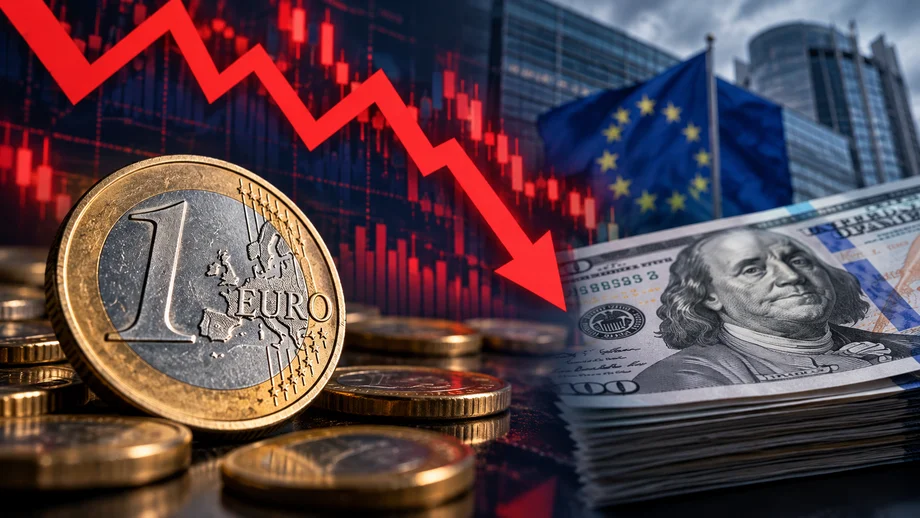
The euro is facing one of the most difficult periods in recent months, while concerns about the public finances of some of the biggest European economies have increased pressure on the common currency.
According to Reuters agency, the euro fell on Monday, October 5th to $1,1161, the lowest level since May 2025. By Friday, October 9th, the coin had been partially recovered, trading about $1,123.
However, the euro remains on its way towards the fifth consecutive week with losses against the dollar, with a quantum drop of more than 3% over five weeks.
France Centered on Concerns
The German newspaper T-Online, in an analysis of the financial journalist Anje Erhard published on October 9th, raises whether Europe is heading towards a new crisis of state debts.
According to the analysis, the situation in France, Italy and Spain has restored memories of the crisis that hit the eurozone more than a decade ago.
France is currently the main concern for financial markets.
High public debt, difficulties in reducing the budget deficit and political uncertainty ahead of the 2027 presidential elections have prompted investors to seek higher interests to lend the French government.
Reuters reports that the English of ten-year French bonds reached approximately 5% on Thursday, before they were withdrawn.
Is the euro crisis repeating itself?
Storms have brought comparisons to the period 2010-2012, when some European states faced serious difficulties in financing their debts.
However, analysts warn that the current situation should not automatically match that crisis.
According to Reuters, some investors consider the problem largely focused on French finances, while others worry the pressure could spread to other highly indebted countries as well.
European Central Bank President Christine Lagarde has described France's fiscal situation as serious, but has rejected direct comparisons with the 2008 and 2011.
Why is the dollar getting stronger?
One element that has attracted attention is the fact that the US dollar is maintaining a relatively strong position despite concerns about the large public debt of the United States.
According to T-Online analysis, investors continue to view the US dollar and assets as important alternatives during periods of uncertainty.
High interest rates of American bonds could also attract international capital.
However, Reuters reported on Friday that the weakening of oil prices and the reduction of American yelds had helped the euro recover some of its losses.
What does this mean for citizens?
The weakening of the euro against the dollar could have consequences for European consumers and businesses.
The first products and materials traded internationally in dollars, including oil, can become more expensive when paid by euros. This could affect the costs of imported transport, energy and goods.
On the other hand, a weaker euro could make European products more competitive in markets outside the eurozone.
For citizens travelling to the United States, weakening the euro means that the same amount of money can be obtained less.
What is expected to happen?
Investors' attention has focused on French government efforts to approve the budget and control the deficit.
French Finance Minister Roland Lescure told the BBC that the government aims to lower the budget deficit to 5% of gross domestic production over the next year.
According to German agency dpa- AFX, these statements contributed to the temporary calming of markets Thursday.
Although the fall of the euro and tensions in the bond markets are disturbing signals, there is no confirmation that the eurozone has entered a new financial crisis.
At the moment, the main question is whether European governments will manage to restore investor confidence before the pressure on state debts spreads further.



