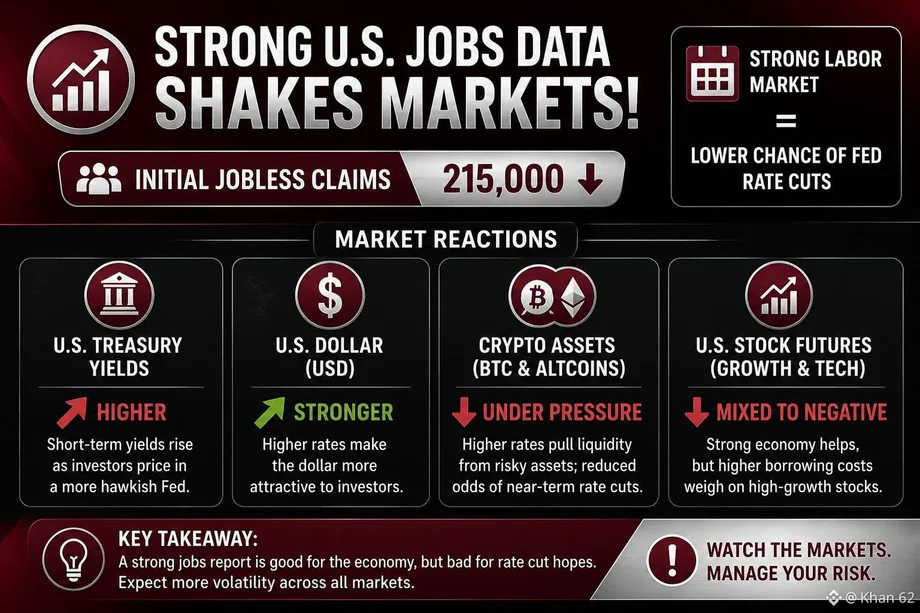
The U.S. labor market delivered a weaker-than-expected jobs report on October 2, sending an important signal to businesses, investors and policymakers. According to data reported by Reuters, U.S. employers added only 29,000 nonfarm jobs in September, far below economists’ expectations of around 90,000. The August figure was also revised downward, showing that employment growth had been weaker than previously estimated.
The unemployment rate increased slightly to 4.2%. Economists noted that some of the weakness may have been connected to seasonal adjustment issues and the timing of Labor Day, meaning the figures do not necessarily indicate a sudden collapse in the U.S. economy.
The report immediately affected financial markets. U.S. stocks moved higher while Treasury yields declined, as investors reduced expectations of another Federal Reserve interest-rate increase during October. Lower interest rates can influence businesses in several ways, particularly by reducing borrowing costs for companies and making investment easier.
The latest employment numbers are especially important because businesses have been dealing with changing consumer demand, higher energy costs and uncertainty surrounding interest rates. Companies planning new factories, technology investments or hiring programs often consider borrowing costs when making those decisions.
Despite the weak headline number, economists cited by Reuters did not see evidence of widespread layoffs. Initial unemployment-benefit claims have remained relatively low, while corporate profits and domestic demand have continued to provide support to the economy.
The report also showed that wage growth has cooled, which could reduce some inflation pressure. For businesses, slower wage increases can help control labor costs, although weaker hiring can also signal that companies are becoming more cautious.
Markets will now closely watch upcoming economic data and corporate earnings for further evidence about the direction of the U.S. economy.
For companies and investors, the September jobs report is another reminder that economic conditions can change quickly. Interest rates, employment, consumer spending and inflation remain closely connected, making the next few weeks particularly important for financial markets.



