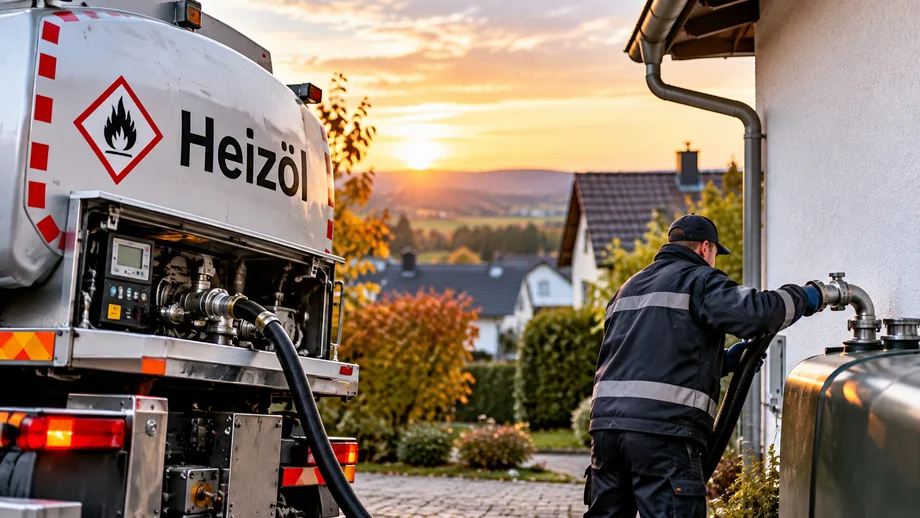
Heating oil prices are falling in Germany, offering some welcome relief to households preparing for winter after an unusually expensive run in the energy market.
Market data from October 6 shows heating oil prices declining by about 5% over the previous week, although prices remain dramatically higher than a year ago. TotalEnergies reported an indicative price of €173.38 per 100 liters, down €9.14 from a week earlier but around 80% above the level recorded one year ago.
Other market trackers show the same downward direction. Sprity reported a 3.5% decline over seven days in one German region, with prices falling from September's highs.
The decline comes at a critical moment. Millions of households using oil heating are entering the colder months after experiencing some of the highest prices seen at the beginning of a German heating season.
NDR reports that heating oil remains almost twice as expensive as before the Iran conflict intensified. For a moderately insulated single family home requiring around 20,000 kilowatt hours of heating annually, the estimated bill could rise from roughly €1,900 last season to more than €3,300.
The Middle East remains one of the biggest uncertainties. Disruptions around the Strait of Hormuz, damaged production infrastructure and reduced exports have contributed to keeping global oil markets under pressure.
That means the recent price decline should not necessarily be interpreted as the beginning of a sustained collapse.
Heating oil prices can react quickly to crude oil markets, the euro dollar exchange rate, refinery conditions, geopolitical developments and changes in supply. TotalEnergies notes that taxes and Germany's CO₂ price also influence what households ultimately pay.
For consumers wondering whether to fill their tanks now or wait for another decline, experts remain cautious. WDR recently reported that households with low reserves may be better served by securing at least part of their winter supply rather than gambling on significantly lower prices later.
The latest decline therefore brings some relief, but not cheap heating.
For German households, the bigger question is now whether prices continue falling before winter demand accelerates, or whether another disruption in global energy markets sends them higher again.



