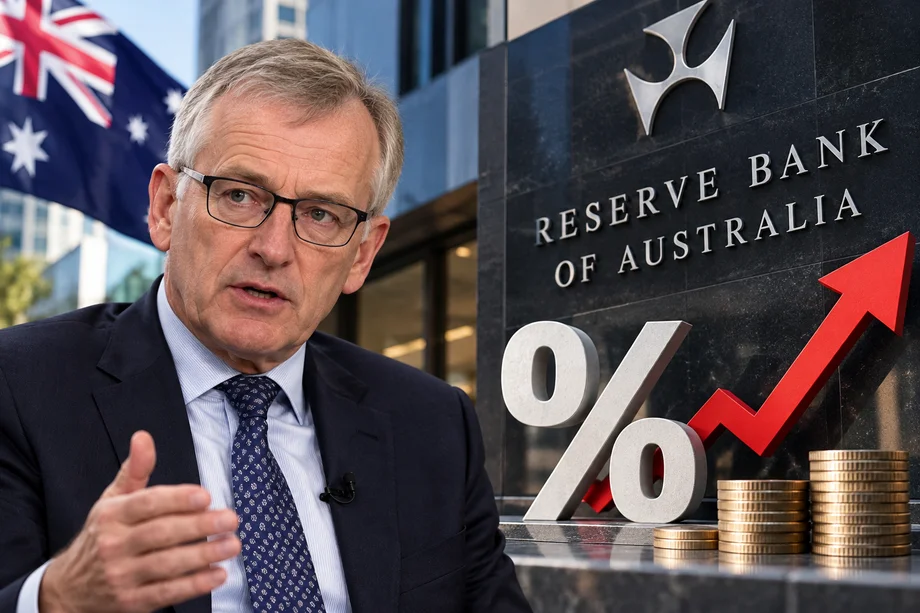
Businessmen may face another blow before the end of the year, as a former Australian Central Bank board member said a new interest rate increase is “possible”.
Economist Ian Harper, who served for a decade aboard the Reserve Bank of Australia, reported that current economic conditions make another tightening of monetary policy faithful during the remaining months of the year.
For the bank to move again before the end of the year is possible, from what I can see”, Harper said during a Centre for Independent Studies event in Sydney.
He refused, however, to name a new increase as the possibly “ ”, stressing that there is no longer any access to documents the board uses for his decisions.
The warning comes after the RBA increased the basic rate to 4.6 per cent, the highest rate in 15 years in September. It was the fourth rate increase during 2026.
Financial markets currently estimate about one in three possibilities for RBA to raise the rate at the November meeting again, according to ABC News.
Such a decision would increase pressure on Australian families with mortgage loans, which are already facing higher installments and increased living costs.
Harper also gave a rare view of how decisions are made within the Central Bank.
According to him, separate voting is not uncommon at all. Harper estimated that during his board period, about 30 percent of the decisions were divided, while in about 70 percent of the cases the members were unanimous.
He explained that meetings are currently held during two days. Members listen to analysis of the RBA staff, discuss alternatives and take time to reflect ahead of the final vote.
Harper also found that during his ten years on board no finance minister had contacted him to try to influence a decision on interest rates.
He said he had received direct communication from the minister only on three occasions: when he was appointed, when the mandate was renewed, and when he received a thank-you message after leaving the board.
Now attention will focus on the November meeting. For millions of loaned Australians, another increase after the rate of 4.6 percent would mean a new round of borrowing costs.



