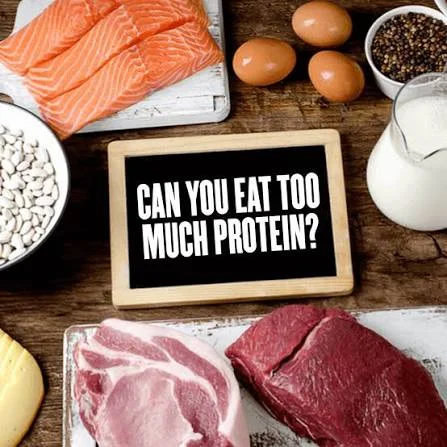
Protein has become one of the biggest nutrition priorities of recent years.
Supermarket shelves are increasingly packed with protein shakes, bars, yogurts, cereals, snacks and even high protein versions of foods that traditionally were never marketed for their protein content.
At the same time, fitness culture and social media have helped popularize the idea that more protein means better health, easier weight loss and faster muscle growth.
Protein is unquestionably essential. The body needs it to build and repair muscle and other tissues, and protein can also help people feel satisfied after eating.
But nutrition experts are increasingly warning that eating far more protein than necessary does not automatically make a diet healthier.
Registered dietitian Jessica Cording told Parade that she is seeing people taking their protein intake well beyond what they actually need.
And emerging research is raising an even bigger question: could consistently eating less protein, within healthy limits, potentially be associated with healthier aging?
New research raises questions about protein and longevity
A scientific review highlighted by Parade examined more than 350 studies involving humans and a variety of other organisms, including mice, insects and yeast.
Researchers identified biological patterns suggesting that lower protein consumption may be associated with improvements in metabolism, cellular health and how the body uses nutrients.
One particularly provocative possibility involved longevity.
The evidence suggested an association between lower protein intake and longer lifespan in some of the research examined.
However, this does not mean scientists have demonstrated that eating a high protein diet shortens a person's life.
That distinction matters.
The studies included in the review used different definitions of what constituted low protein intake, and much of the biological evidence came from animal and laboratory research.
Researchers therefore cannot currently give people a specific protein threshold that would extend human lifespan.
The findings are better understood as another reason to question the assumption that continuously increasing protein intake must be beneficial.
Why could eating less protein affect aging?
Researchers are investigating several possible biological mechanisms.
One involves a hormone called fibroblast growth factor 21, commonly known as FGF21.
Levels of FGF21 can increase when protein intake falls. The hormone has been associated with changes in energy use, blood sugar regulation and inflammation.
Some animal research has also found associations between higher FGF21 levels and longer lifespan.
Scientists are also studying individual amino acids, which are the building blocks of protein.
Reducing certain amino acids, including methionine, isoleucine and valine, may influence biological pathways associated with metabolism, obesity and inflammation.
But translating those findings into practical dietary advice for humans remains complicated.
The bigger problem may be what protein replaces
One of the most important concerns surrounding extremely high protein diets has little to do with protein itself.
It is what people stop eating in order to consume so much of it.
A person focusing heavily on meat, eggs, protein shakes and protein snacks may unintentionally reduce their consumption of fruits, vegetables, whole grains and legumes.
That can mean consuming less dietary fiber and fewer important vitamins, minerals and plant compounds.
Harvard's Nutrition Source notes that while some high protein, low carbohydrate diets can produce short term benefits, avoiding fruits and whole grains can reduce intake of beneficial fiber and other nutrients.
A balanced diet therefore matters more than simply reaching the highest possible protein number.
More protein does not automatically mean more muscle
Another common misconception is that dramatically increasing protein intake automatically produces more muscle.
Building muscle requires resistance training and sufficient overall nutrition.
Protein provides the raw materials the body needs for muscle repair and growth, but consuming huge quantities does not eliminate the need for exercise.
Harvard nutrition experts have also warned that some social media recommendations can push people toward extremely high daily protein targets that most adults do not require.
Individual requirements can vary considerably depending on age, body size, activity level, pregnancy, health conditions and athletic goals.
An elite athlete training intensely every day may have very different nutritional needs from a sedentary adult.
What about the kidneys?
Kidney health is frequently mentioned in discussions about high protein diets.
For healthy people, the relationship between protein intake and kidney damage is more complicated than some online claims suggest.
However, people who already have kidney disease may need to monitor protein intake carefully.
Harvard Health notes that relatively high protein diets can be problematic for people with existing kidney conditions and that diets particularly high in animal protein may also increase the risk of kidney stones.
Anyone with kidney disease should therefore discuss major dietary changes with a doctor or registered dietitian rather than following a generic high protein diet promoted online.
Your protein source matters too
The number of grams consumed is only part of the story.
Where those grams come from can be equally important.
Someone obtaining most of their protein from beans, lentils, nuts, fish and other nutrient rich foods has a very different overall diet from someone relying heavily on processed meat, fatty red meat and highly processed protein products.
Harvard Health notes that red and processed meats have been associated with higher cardiovascular and diabetes risks, while replacing red meat with healthier plant protein sources has been associated with lower cardiovascular risk.
That means asking "How much protein am I eating?" may be less useful than asking both how much and from where.
Protein powders are not automatically healthy
Protein supplements can be convenient, particularly for athletes and people who struggle to obtain sufficient protein through food.
But a protein label does not automatically turn a processed product into a healthy one.
Some protein powders contain significant amounts of added sugar and calories, while others can cause digestive discomfort, particularly milk based products for people who have difficulty digesting lactose.
Harvard Health also notes that protein powders are dietary supplements, meaning consumers should consider the additional ingredients they may contain rather than focusing exclusively on the protein number printed on the package.
Whole foods can often provide protein alongside other valuable nutrients.
So how much protein is too much?
There is no universal number that works for everyone.
Protein requirements vary according to factors including body weight, age, activity and health status.
Harvard Health notes that for an average healthy person who is not an elite athlete or heavily involved in bodybuilding, total protein intake generally does not need to exceed about 2 grams per kilogram of ideal body weight per day.
That should not be interpreted as a target everyone needs to reach.
For many adults, requirements are substantially lower.
People with specific medical conditions, athletes and older adults may require individualized recommendations.
The lesson is not to fear protein
None of this means protein should suddenly become the villain of healthy eating.
Protein remains essential for muscle, tissue repair and numerous biological processes.
The emerging research instead challenges a simpler message that has become widespread online: if protein is healthy, then consuming increasingly large amounts must be even healthier.
Nutrition rarely works that way.
A diet built around vegetables, fruits, whole grains, healthy fats and varied sources of protein is likely to provide benefits that cannot be replicated simply by chasing an increasingly large daily protein target.
The goal is not maximum protein.
For most people, the better goal is enough protein from nutritious sources while leaving room for everything else the body needs.
Tags: , Protein Intake, Healthy Eating, Nutrition, Longevity



