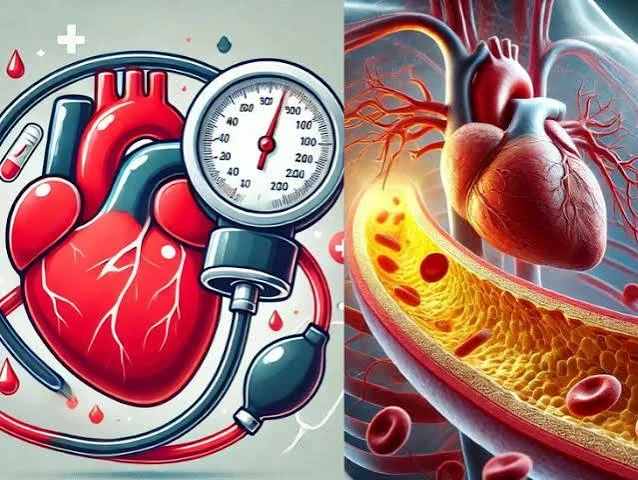
That is why waiting for headaches or dizziness is an unreliable way to detect hypertension. Measuring blood pressure is the practical starting point, followed by a professional assessment when readings remain elevated.
According to the World Health Organization, untreated hypertension can contribute to heart disease, stroke and kidney damage. Risk factors include age, family history, physical inactivity, excessive salt intake and drinking too much alcohol.
Why one reading does not tell the whole story
A single elevated reading does not automatically establish a diagnosis. The circumstances of the measurement and patterns over time matter.
For home monitoring, the American Heart Association recommends an automatic, validated upper-arm monitor with a correctly sized cuff. Rest quietly for at least five minutes before measuring, keep your feet flat on the floor and support your arm at heart level.
Avoid smoking, caffeine and exercise during the 30 minutes before a measurement. Record the results so a healthcare professional can assess the pattern.
Healthy habits and medication can work together
Eating less salt, being physically active and limiting alcohol can help improve blood pressure. However, some people also need medication, even when they follow a healthy routine.
A normal reading while taking treatment may mean the treatment is working. It is not a reason to stop prescribed medication without medical advice.
Tags: High Blood Pressure, Hypertension, Blood Pressure Monitoring, Heart Health, Hypertension Prevention
2. Still Tired After a Full Night’s Sleep? The Number of Hours May Not Tell the Whole Story
Spending eight hours in bed does not always mean getting eight hours of restorative sleep. Sleep quality, interruptions and timing all influence how refreshed someone feels the next morning.
Most adults need around seven to nine hours of sleep each night. Yet persistent daytime sleepiness can occur even when someone appears to spend enough time sleeping.
The National Heart, Lung, and Blood Institute explains that sleep deficiency can affect concentration, memory, reaction time and emotional control. Over time, insufficient sleep is also linked to a greater risk of several chronic health conditions.
Sleep timing matters too
The body’s internal clock helps regulate when people feel alert and when they become sleepy. Shift work and disrupted schedules can make it difficult to sleep when the body is ready for rest.
According to the institute’s guidance on circadian rhythm disorders, problems with sleep timing can lead to difficulty falling asleep, trouble staying asleep and excessive sleepiness during waking hours.
These symptoms can also affect judgment. Someone who is sleep deprived may underestimate how much their ability to drive or work safely has deteriorated.
When tiredness deserves attention
Persistent tiredness does not identify a specific condition on its own. Keeping a record of bedtime, wake time, overnight interruptions and daytime sleepiness can help make a medical conversation more useful.
If exhaustion continues despite adequate opportunity to sleep, discuss it with a healthcare professional. Repeatedly struggling to stay awake during ordinary activities deserves attention.
For anyone feeling drowsy behind the wheel, the immediate priority is to stop driving safely. Feeling accustomed to tiredness does not make it harmless.



