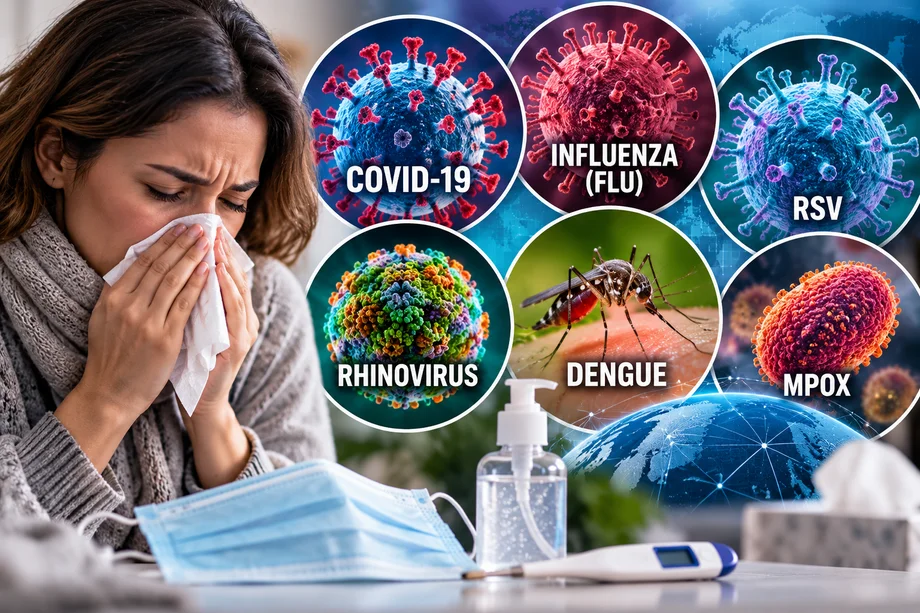
As October begins and temperatures fall across Europe and North America, health authorities are preparing for another season of respiratory infections.
The current picture does not point to a new pandemic. However, several viruses deserve attention because of their circulation, seasonal potential or continuing outbreaks around the world.
Here are the major viral threats people should know about this fall.
COVID 19 remains the main respiratory virus to watch
COVID 19 has not disappeared.
The latest data from the US Centers for Disease Control and Prevention show that COVID 19 activity remained elevated in September, although it was declining nationally by September 25. Hospitalizations remained low overall.
Older adults, babies and people with underlying medical conditions remain more vulnerable to severe respiratory disease.
Symptoms can include fever, sore throat, cough, fatigue, headache and congestion. Some people can develop more serious breathing problems.
The CDC expects COVID 19, influenza and RSV together to produce a significant seasonal burden during the coming fall and winter, although its current outlook does not suggest an unusually severe respiratory season.
Flu season is approaching
Influenza activity remains low in the United States, but it is beginning to increase from very low levels as the traditional flu season approaches.
That makes October an important period for prevention.
Influenza can cause sudden fever, muscle aches, headaches, severe fatigue, cough and sore throat. While most healthy people recover, flu can become serious for older adults, young children, pregnant women and people with chronic conditions.
Health authorities continue to recommend seasonal influenza vaccination according to national guidelines.
RSV can become dangerous for babies and older adults
Respiratory syncytial virus, better known as RSV, is another infection expected to receive increasing attention as winter approaches.
Current US activity remains very low, although CDC data show RSV related emergency department visits beginning to increase from those low levels.
RSV often resembles a common cold in healthy adults.
The risk is different for infants and older adults. RSV can cause bronchiolitis and pneumonia and may require hospitalization in vulnerable patients.
People caring for babies should watch particularly closely for difficulty breathing, reduced feeding and unusual tiredness.
Rhinovirus and enterovirus are already increasing
One of the clearest increases currently visible in US surveillance involves rhinoviruses and enteroviruses.
The CDC reported in its September 25 update that rhinovirus and enterovirus activity was increasing nationally.
Rhinoviruses are the most common cause of the common cold. They usually produce relatively mild illness, including a runny nose, coughing, sneezing and sore throat.
Enteroviruses cover a broader group of viruses and can produce different illnesses.
For most people these infections are not dangerous, but respiratory illness can be more problematic for people with asthma and other underlying conditions.
Dengue remains a major global concern
Outside the traditional respiratory virus season, dengue remains one of the world's most important mosquito borne viral threats.
The World Health Organization has described the global dengue risk as high following a dramatic expansion of infections in recent years.
Around 90 countries reported active dengue transmission during 2024, according to WHO, with climate conditions, urbanization, international movement and the expansion of Aedes mosquitoes contributing to its spread.
Dengue can cause high fever, severe headache, muscle and joint pain, nausea and rash.
A smaller proportion of patients develop severe dengue, which can involve bleeding, shock and potentially life threatening complications.
Travelers visiting tropical and subtropical regions should pay particular attention to mosquito protection.
Mpox has not disappeared
Mpox also remains on the international health radar.
WHO continues to list mpox among ongoing disease outbreaks requiring international public health attention.
The virus can spread through close physical contact, contaminated materials and other forms of direct exposure.
Typical symptoms include skin lesions or rash, fever, swollen lymph nodes, headache and muscle aches.
Risk varies significantly between countries and populations, so travelers should check current public health guidance for their destination rather than assuming the risk is the same everywhere.
What people can do now
For most people, the greatest everyday viral risk over the coming months is likely to come from familiar respiratory infections rather than an exotic new disease.
Good hand hygiene, staying home when seriously ill, improving ventilation in crowded indoor spaces and following appropriate vaccination recommendations can reduce transmission.
People at higher risk of severe illness should speak with a healthcare professional about recommended vaccines and other preventive measures.
Travelers should also check destination specific health information, particularly when visiting areas experiencing dengue, mpox or other outbreaks.
Anyone experiencing severe breathing difficulty, persistent chest pain, confusion, signs of dehydration or rapidly worsening symptoms should seek medical attention.
The important message heading into the colder months is not panic, but awareness. COVID 19 is still circulating, flu and RSV season is approaching, and several other viruses continue to cause significant disease around the world.



