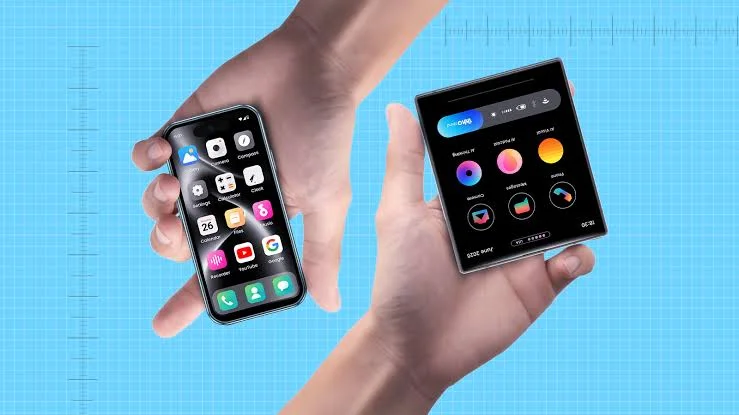
New compact devices are exploring a different approach to everyday technology by allowing people to leave their smartphones behind while keeping essential digital functions.
The smartphone has become one of the most important pieces of technology in modern life, but a new generation of compact devices is exploring whether people really need to carry a large phone everywhere.
One example is Meadow, a small device designed to provide some smartphone functions through a much smaller form factor.
TechCrunch reported that Meadow can provide access to essential digital features while using a screen significantly smaller than a traditional smartphone. The device is designed for situations where users may want to leave their main phone at home.
The idea is part of a wider movement sometimes described as “slow technology,” where manufacturers attempt to reduce screen time and distractions without completely disconnecting users from digital services.
Traditional smartphones have become increasingly powerful. Modern devices can handle high-resolution photography, gaming, video editing, payments, navigation, social media and communication.
But that convenience can also encourage people to spend more time looking at screens.
Small devices offer a different approach. Instead of providing access to everything, they can focus on a limited number of essential functions.
For example, a compact device could provide tickets, basic communication, navigation or other important information without offering the same endless stream of apps and notifications found on a smartphone.
This concept is not entirely new. Smartwatches have already demonstrated that some people are comfortable using smaller screens for notifications, calls, fitness information and payments.
However, companies developing new devices are experimenting with completely different shapes and interfaces.
The challenge is convincing consumers that they need another device in addition to their smartphone. If the small device still requires a phone for most functions, consumers may question whether carrying both is worthwhile.
That is why companies are attempting to make these products more independent.
The trend also connects with a broader discussion about what the next generation of personal computing could look like.
For nearly two decades, smartphones have been the center of mobile technology. But companies are now experimenting with smart glasses, wearable computers, compact communication devices and other alternatives.
Technology companies are exploring whether computing could eventually become less dependent on a traditional rectangular phone.
Qualcomm, for example, has said it is working on chips designed for devices that could eventually replace or complement smartphones, including a wide range of wearable products.
This does not mean smartphones are disappearing anytime soon. They remain extremely useful and continue to improve every year.
Instead, the growing number of alternative devices suggests that the future of personal technology could involve several different types of computers working together.
Small devices such as Meadow represent an experiment in that direction.
Whether consumers will embrace them remains uncertain, but the idea itself is gaining attention: instead of making phones do more and more, perhaps some future devices will deliberately do less.



