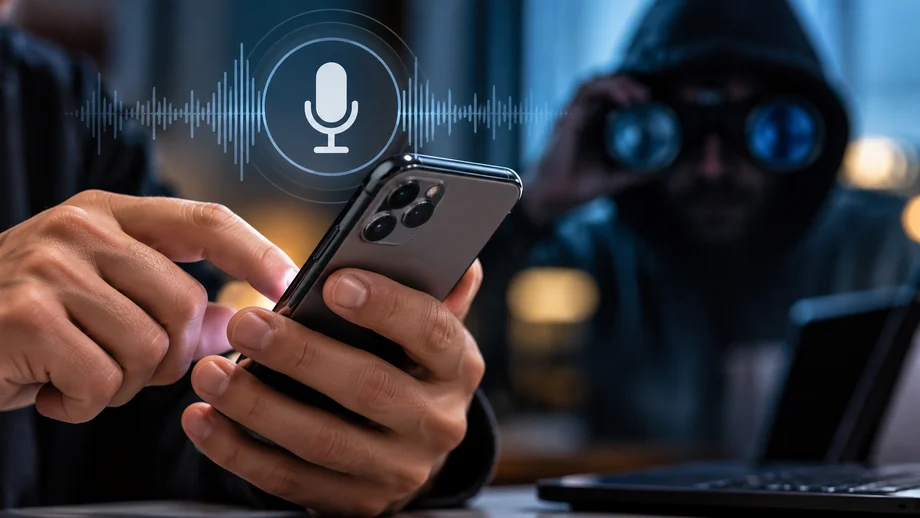
Smartphones preserve a large part of our personal lives, from photos and messages to bank accounts and location data. Thus, the safety of Android and iPhone equipment has become an important concern for millions of users.
According to the American Agency for Cyberetic Security and Infrastructure (CISA), users should be careful about unknown apps, suspicious connections and unnecessary requests for access to personal data.
One of the most common concerns is the rapid discharge of the battery. Some malicious programs can operate in the background and consume energy, but the same can be done because of ordinary apps, updates, or battery aging.
Even overheating can be a signal to check the device's activity. However, high temperatures are often associated with intense use, play, camera, or charge.
Another element that deserves attention is sudden use of the mobile internet. If an unknown app uses large amounts of data, users should check its permits and function.
Google recommends using Google Play Project on Android devices to identify potentially harmful applications. Apple, meanwhile, provides privacy checks and security functions that help users limit access to apps to microphones, cameras and locations.
Cyber security experts also recommend activating two-term authentication, installing system updates, and avoiding applications from unknown sources.
If serious doubts exist about the compromise of the phone, the control of accounts related to the device, the change of passwords from a safe device and consultation with a specialist is recommended.
The danger is not limited to programs that can monitor activity. Misleading through messages, false pages, and stealing passwords also remain important ways in which cyber criminals target personal data.
The main message to users is simple: A telephone that heats up or quickly loses the battery does not automatically mean that it is being tried, but regular security control can help to reveal real problems.



