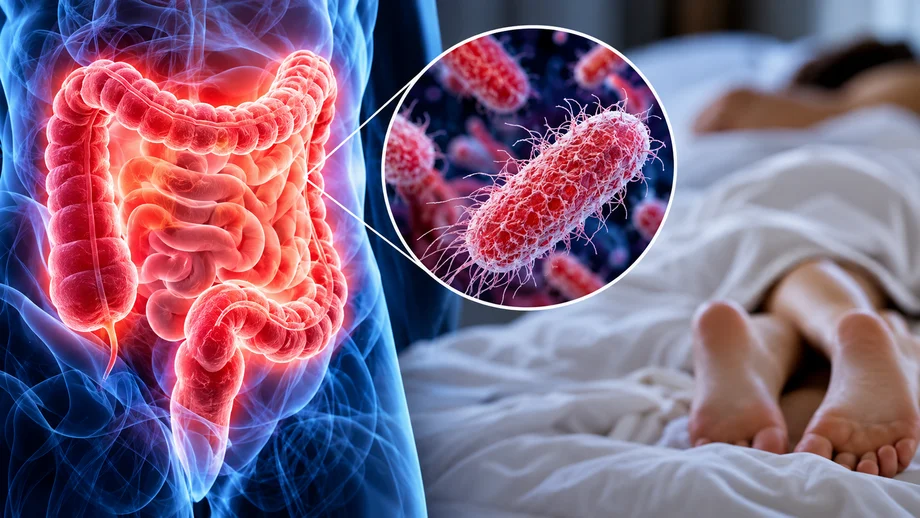
A bacterial infection that can also be transmitted during sexual relations is raising new concerns in the United States, as scientists have found that certain variants of it are becoming resistant to the most used antibiotics.
According to a New York Post report published on October 8th, the bacteria known as Shigela is increasingly attracting the attention of American health authorities because of the widespreadness and difficulties in treatment.
Shigelella causes an infection of intestines called shogelosis, which can be accompanied by severe diarrhea, blood in the dung, stomach pain, fever, and vomiting.
Infection is usually transmitted through food or contaminated water and contact with fecal material, but experts warn that transmission during sexual activity is also an important way of infection.
According to the U.S. Centers for Disease Control and Prevention (CDC), only a very small amount of bacteria can cause infection.
Figures That Concern Scientists
A CDC analysis, released in April 2026, found that the percentage of Shigela samples with widespread resistance to antibiotics increased from 0% during 2011-2015 to 8.5% in 2023.
These figures do not mean that 8.5% of the population has been infected, but that this percentage of samples analyzed in 2023 resulted in resistance to some of the main antibiotics.
Of 16,788 samples analyzed during the study period, 510 were classified as extremely resistant to drugs, a category known as XDR.
The CDC warns that there is not currently an oral treatment approved by the FDA, which complicates the management of serious cases.
Why is infection also spreading through sex?
Researcher Kate Baker, geneticist at Cambridge University, has warned that many people are unaware of the possibility of Shigela's sexual transmission.
According to the New York Post, referring to a study published in July, the spread of sexual contact has increased faster than some other transmission routes during 2015 / 2020.
The infection may affect anyone, but health authorities have identified an increased risk of resistant variants in men who engage in sex with men.
However, Shigela is not an infection that is transmitted only sexually. Contact with food, water, or contaminated surface remains an important way of spreading.
Symptoms and Defense Measures
The most common symptoms include diarrhea, stomach cramps, temperature, and sometimes blood dung.
Most patients are cured without antibiotics, usually with sufficient rest and juice. However, severe cases may require hospital treatment, especially when drunkenness or other complications occur.
The CDC recommends careful washing of hands, avoiding food preparation for others during the illness, and cutting off sexual contacts until at least two weeks after the diarrhea ended.
People with bloody diarrhea, prolonged symptoms, or signs of dehydration should seek medical evaluation. Using antibiotics without medical advice can contribute to bacterial resistance.
Experts stress that the main concern is not to manifest a completely new disease, but to evolve a known bacteria toward forms that can become increasingly difficult to treat.
For health authorities, this is another evidence that resistance to antibiotics is becoming a serious public health challenge worldwide.



