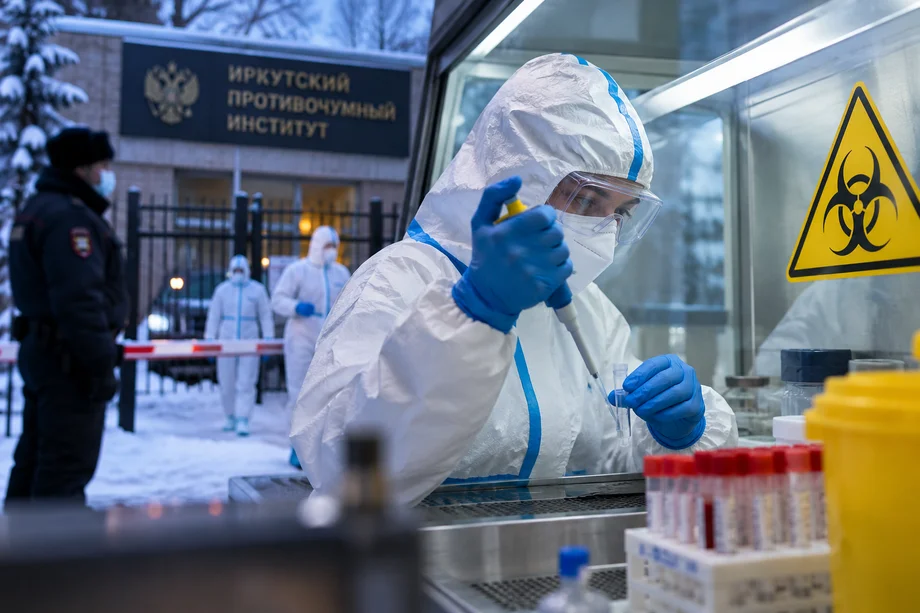
A mysterious death at a disease research institute in Siberia has triggered concern over a possible plague incident, prompting quarantine measures and attracting international attention.
The 28 year old woman worked at the Irkutsk Anti Plague Research Institute in Siberia. She was admitted to a hospital in Shelekhov in late September with symptoms of severe pneumonia and died during the night of October 2.
Russia's public health authority, Rospotrebnadzor, says the woman died from pneumonia of unknown origin and insists that testing did not detect pathogens connected to her professional work.
German broadcaster Tagesschau reports that Russian authorities have also denied that an accident occurred at the laboratory.
However, the case has attracted attention because extensive precautions were introduced after the woman's illness.
The institute was placed under quarantine, contacts were isolated and several medical facilities temporarily restricted visitors. Reports indicate that nearly 200 people were placed under medical observation.
Russian officials say none of the monitored contacts have shown signs of an infectious disease and describe the epidemiological situation in Irkutsk and the surrounding region as stable.
Questions remain over reports of a possible laboratory accident.
Independent reports claimed that the researcher may have accidentally broken a test tube containing the bacterium responsible for pneumonic plague while working at the institute. Russian authorities have not confirmed that account, and there is currently no verified evidence establishing that such an accident caused her death.
The case has also reached Washington. President Donald Trump said Monday that he was concerned when asked about a potential plague outbreak in Russia and said the United States would be willing to help.
Pneumonic plague is caused by the bacterium Yersinia pestis. It can become life threatening rapidly without treatment, although modern antibiotics can successfully treat the infection when administered early.
For now, there is no confirmed plague outbreak in Siberia. Russian authorities maintain that no plague pathogen was detected in the researcher and that the regional health situation remains stable.
Still, the combination of an unexplained death at an institute specializing in plague research, quarantine measures and conflicting early reports has turned the case into a major international health story.



