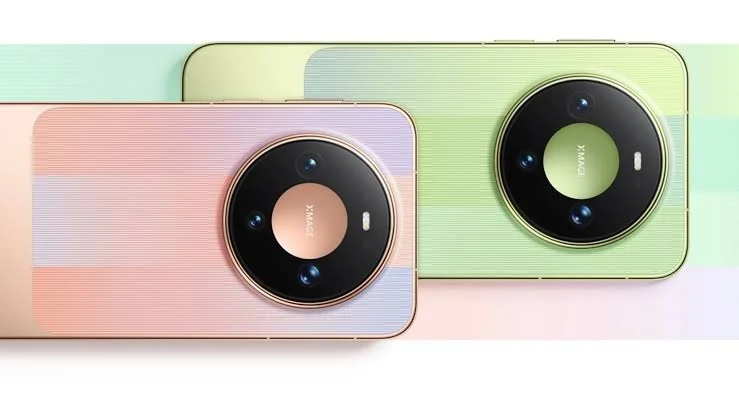
Huawei has officially unveiled its new Mate 90 smartphone series, introducing updated hardware, a new generation of its HarmonyOS operating system and a new Kirin processor developed for the latest flagship devices.
The launch is attracting significant attention because Huawei continues to develop its smartphone technology while facing restrictions on access to some advanced semiconductor technologies. The Mate 90 series represents another step in the company’s effort to build more of its technology ecosystem independently.
According to Reuters, the new phones use Huawei’s Kirin 9050 Pro chip, which features an architecture called “LogicFolding.” The technology is designed to restructure chip wiring in three dimensions, allowing Huawei to increase processing density and improve performance.
Huawei says the Mate 90 Pro Max can deliver a significant performance improvement compared with the previous generation. The company has also continued developing HarmonyOS, its own operating system that has become increasingly important to its smartphone business.
The launch comes at an interesting moment for the global smartphone market. Competition between major manufacturers has become increasingly focused on premium hardware, cameras, displays, battery technology and custom processors.
Huawei has also become particularly important in China’s foldable-phone market. Reuters reported that the company holds a large share of China’s foldable smartphone segment, while competition has intensified following the arrival of Apple’s first foldable iPhone.
The Mate 90 series is therefore not simply another smartphone launch. It demonstrates how smartphone manufacturers are increasingly trying to control more parts of their technology stack, from processors and operating systems to software services.
Another challenge for Huawei is the cost of advanced smartphone components. Memory and other hardware costs have increased across the industry, putting pressure on manufacturers to balance premium specifications with pricing.
The new Mate 90 Pro Max has a reported starting price of 9,999 yuan in China, positioning it firmly in the premium smartphone category.
For consumers, the launch provides another example of how competition in smartphones is evolving. Instead of relying on the same processors, operating systems and suppliers, major manufacturers are increasingly building proprietary technologies.
Huawei’s progress will also be watched closely by the semiconductor industry. The ability to develop competitive processors despite limitations on access to certain manufacturing technologies could have wider implications for China’s technology sector.
With Apple, Samsung, Google, Huawei and other manufacturers competing in the premium market, smartphones continue to be one of the most rapidly evolving areas of consumer technology.
The Mate 90 series shows that the smartphone race is still far from over, with companies continuing to experiment with processors, operating systems and new hardware designs.



