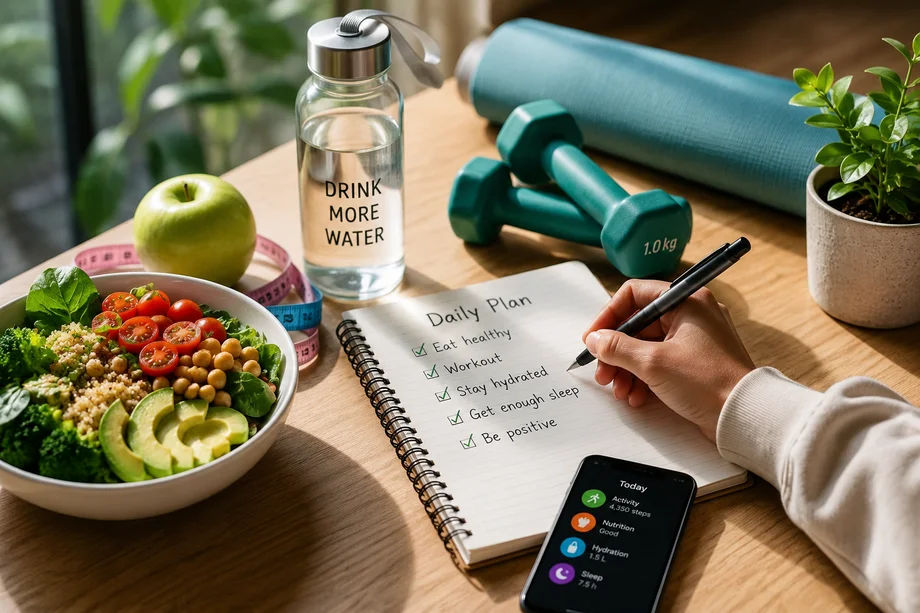
A simple everyday habit is attracting growing attention online as people look for healthier routines.
Health professionals continue to emphasize that small, consistent changes can have a meaningful impact on overall well-being.
The discussion has spread across social media, with thousands of people sharing their own experiences.
However, experts warn against believing every health trend that becomes popular online.
Understanding the facts is just as important as following the trend.
A new health conversation is quickly gaining attention online, with people discussing how small changes in their daily routines can influence the way they feel throughout the day.
The trend focuses on something surprisingly simple: building healthier everyday habits instead of looking for extreme solutions. From getting enough sleep and staying physically active to eating balanced meals and taking regular breaks from screens, these basic habits are becoming a major topic across social media.
The reason for the sudden interest is easy to understand. Many people spend long hours studying, working, using phones or watching screens, often without realizing how much time has passed. When combined with irregular sleep schedules and limited physical activity, these routines can leave people feeling tired and less focused.
Health experts generally agree that healthy routines are built through consistency rather than dramatic changes. Regular movement, sufficient sleep, nutritious food and enough fluids are all important parts of maintaining general health.
One of the biggest discussions online is sleep. Sleep plays an important role in the body’s recovery and is closely connected with concentration, mood and everyday performance. Creating a regular bedtime routine and reducing distractions before sleeping can help people develop better sleep habits.
Physical activity is another major part of the conversation. It does not necessarily mean intense workouts. Walking, playing a sport, cycling, dancing or simply moving regularly during the day can all contribute to an active lifestyle.
Nutrition has also become a major subject on social media. However, experts caution against extreme diets and viral food challenges. A balanced diet containing a variety of foods is generally more sustainable than following restrictive internet trends.
The popularity of health content has created both opportunities and risks. Social media can make useful information easier to discover, but it can also spread misleading claims very quickly. A video receiving millions of views does not automatically mean that the advice is scientifically proven.
That is why health professionals encourage people to check where information comes from before changing their habits or using a product based on something they saw online.
Ultimately, the viral health conversation may have a positive message: improving health does not always require complicated solutions. Small, realistic habits repeated over time can be more useful than extreme changes.
As the discussion continues to spread across social media, one thing remains clear: when it comes to health, popularity should never replace reliable information.



