A clinical trial at UNC Hospitals is examining an experimental gene therapy for Rett syndrome, a rare neurological disorder that primarily affects girls and women.
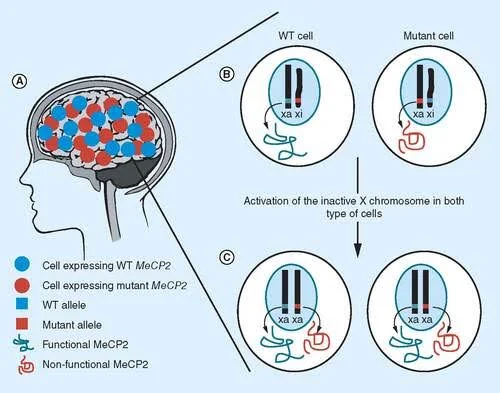
Rett syndrome is associated with changes in the MECP2 gene, which plays an important role in brain development and function. Children with the condition can initially develop normally before beginning to lose previously acquired skills, including purposeful hand use, speech, balance and motor abilities.
There is currently no cure for Rett syndrome. Medical care generally focuses on managing symptoms and reducing complications.
The new research involves Neurogene’s Embolden clinical trial, which is investigating NGN-401, an experimental one-time gene therapy.
The therapy is designed to deliver functional copies of the MECP2 gene to cells in the brain.
At UNC Hospitals, researchers are participating in the multi-center study alongside other medical institutions.
According to UNC Health, the Embolden trial completed enrollment and dosing of 25 participants in June 2026.
The therapy is administered into the intracerebroventricular space, an area associated with cerebrospinal fluid. Because the treatment involves delivery into the brain, administration requires specialized medical expertise.
Researchers are studying both safety and potential effectiveness.
Gene therapy has attracted significant attention in medicine because it attempts to address certain diseases at the genetic level rather than treating only their symptoms.
In the case of Rett syndrome, researchers hope that providing functional copies of MECP2 could improve some of the biological processes affected by the genetic disorder.
However, the treatment remains experimental.
Clinical trials are designed to determine whether a therapy is safe and whether it provides meaningful benefits. Early-stage findings cannot establish that an experimental treatment will eventually become an approved therapy.
Researchers are therefore continuing to monitor participants carefully.
UNC Health reported that Neurogene has shared updated results from an earlier Phase 1/2 study, with researchers describing the findings as encouraging. However, longer-term data will be needed to understand the treatment’s safety and effectiveness.
The Embolden trial’s results are expected during the second half of 2027.
For families affected by Rett syndrome, research into treatments that address the underlying genetic cause is an important area of scientific development.
At the same time, researchers emphasize that clinical trials can take years to complete and that experimental therapies must undergo extensive evaluation before they can become widely available.
The study also illustrates how advances in gene therapy are expanding beyond more common diseases. Scientists are increasingly investigating whether genetic technologies can be used for rare neurological conditions where existing treatment options are limited.
If future studies demonstrate that NGN-401 is safe and effective, the research could contribute to a broader understanding of how gene therapy might be used in Rett syndrome.
For now, however, the treatment remains part of clinical research rather than an established cure.



