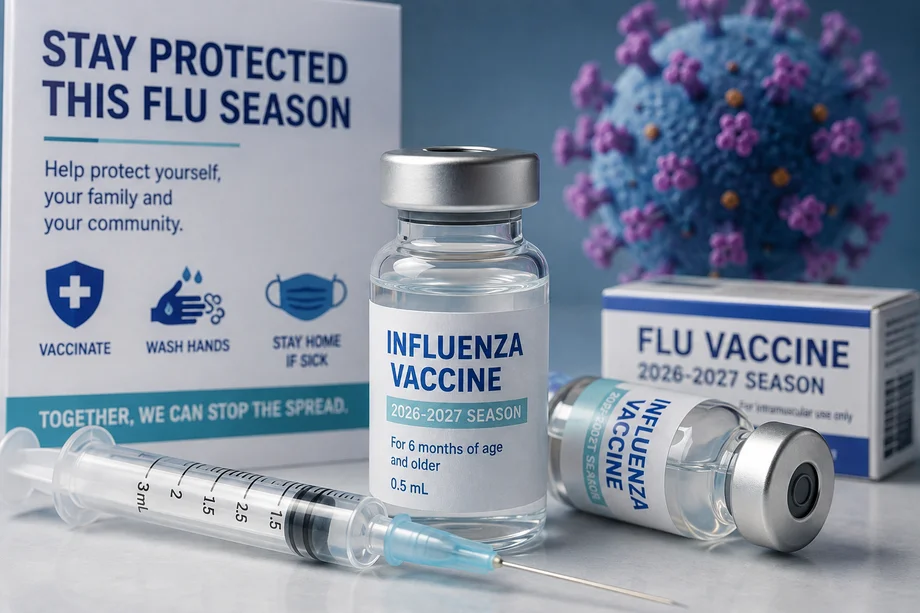
As autumn begins in the Northern Hemisphere, influenza vaccination is once again becoming a major public-health topic.
Health experts are encouraging people to prepare for the upcoming respiratory-virus season, with influenza, COVID-19 and RSV among the infections being monitored.
October is generally considered a useful time for people who are eligible for seasonal flu vaccination because it allows the immune system time to develop protection before influenza activity typically increases later in the season.
This year’s flu season also comes with developments in vaccine technology.
A new mRNA-based influenza vaccine from Moderna has received attention after being approved by U.S. regulators. Research has suggested that the vaccine may provide greater effectiveness in certain adult age groups compared with traditional approaches.
Influenza vaccines do not guarantee that someone will never become infected. Their primary public-health value is reducing the likelihood of serious illness and complications.
This is particularly important for people at higher risk of severe influenza, including older adults, young children, pregnant people and individuals with certain chronic medical conditions.
The current influenza season is being monitored closely by public-health agencies because the viruses circulating can change from year to year.
On October 1, an FDA advisory committee also recommended influenza strains for vaccines intended for the Southern Hemisphere’s 2027 season.
The recommendation included H1N1, H3N2 and influenza B strains for trivalent vaccines.
The process demonstrates how influenza vaccination is updated regularly to match the viruses researchers expect to circulate.
Flu surveillance systems around the world collect information about circulating influenza viruses and help health authorities determine which strains should be included in future vaccines.
At the same time, respiratory illnesses do not consist of influenza alone.
COVID-19 and RSV can also cause significant illness, particularly among vulnerable populations. Updated vaccines and immunization options are therefore part of a broader strategy for reducing severe respiratory disease.
Public-health officials continue to emphasize that individual recommendations can depend on age, health conditions and other factors.
The timing of vaccination can also vary depending on location and local disease activity.
While influenza is often associated with several days of fever, cough, tiredness and muscle aches, complications can be much more serious in vulnerable people. These can include pneumonia and hospitalization.
Reducing the overall burden of severe influenza is therefore an important goal of seasonal vaccination programs.
Researchers also continue to monitor whether new vaccine technologies can improve protection against influenza.
The development of mRNA flu vaccines is particularly significant because the technology can potentially allow manufacturers to respond differently to changing influenza viruses.
However, traditional influenza vaccines remain an important part of seasonal prevention.
As the 2026-27 respiratory season develops, health authorities will continue collecting data on which influenza strains are circulating and how severe infections are.
For individuals, the latest research reinforces the importance of discussing vaccination and other preventive measures with qualified healthcare professionals, especially for those at higher risk of complications.



