Cholesterol is surging in online searches as new discussions raise a familiar but important question: Is so called “bad” cholesterol always bad for your health?
The short answer is more nuanced than the nickname suggests.
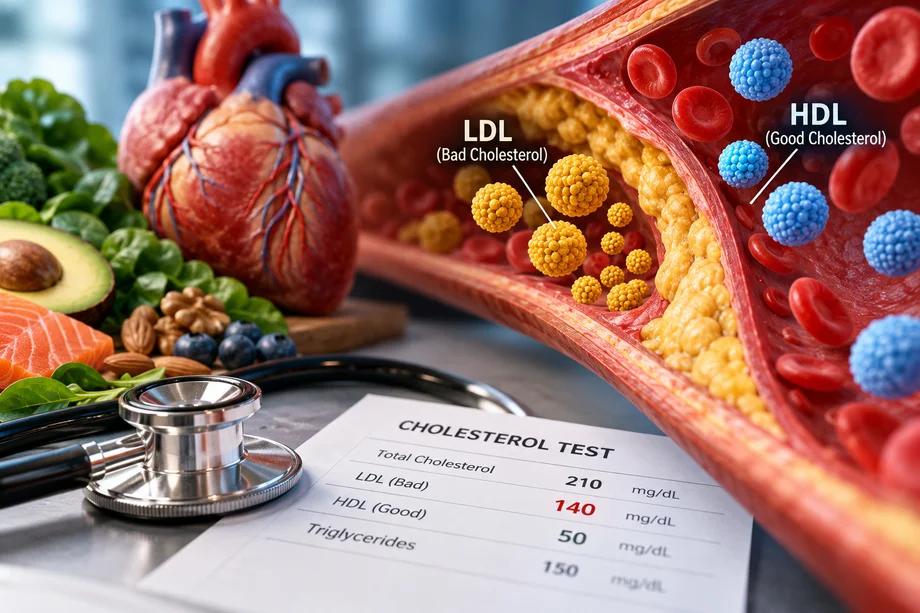
LDL cholesterol itself is not a harmful substance that the body can simply do without. Cholesterol performs essential functions, including helping the body build cells and produce hormones. The problem develops when too much cholesterol is carried in LDL particles through the bloodstream.
Cleveland Clinic explains that excess LDL can contribute to plaque accumulating inside arteries. Over time, that process can increase the risk of coronary artery disease, heart attack and stroke.
Recent cardiology guidance has reinforced the importance of controlling LDL.
The American Heart Association and American College of Cardiology issued updated guidelines in 2026 recommending earlier treatment for people at elevated cardiovascular risk. The organizations estimate that about one in four U.S. adults has high LDL cholesterol.
But doctors increasingly emphasize that one cholesterol number does not tell the whole story.
A person can exercise regularly, maintain a healthy weight and have normal blood pressure and blood sugar while still having high cholesterol. Cardiologists interviewed by Health.com said genetics can play a major role, particularly in people with familial hypercholesterolemia.
Doctors therefore assess LDL alongside factors including age, blood pressure, diabetes, smoking, kidney health and family history.
The latest guidelines also place greater emphasis on additional markers such as lipoprotein(a), known as Lp(a), and apolipoprotein B. Coronary artery calcium scans may also help doctors better estimate cardiovascular risk in selected patients.
There is another common misconception: having high levels of HDL, commonly called “good” cholesterol, does not necessarily cancel out elevated LDL.
The American Medical Association says LDL particles can enter artery walls and contribute to plaque formation over many years, while HDL helps transport cholesterol back toward the liver. A high HDL level does not erase the cardiovascular risk associated with high LDL.
For people concerned about their cholesterol results, experts recommend looking beyond a single laboratory number and discussing their overall cardiovascular risk with a healthcare professional.
The key message from the latest evidence remains clear: cholesterol is essential to the human body, but prolonged exposure to excessive LDL can increase cardiovascular risk. The question is not whether LDL is inherently “good” or “bad,” but whether there is too much of it for an individual's overall risk profile.



