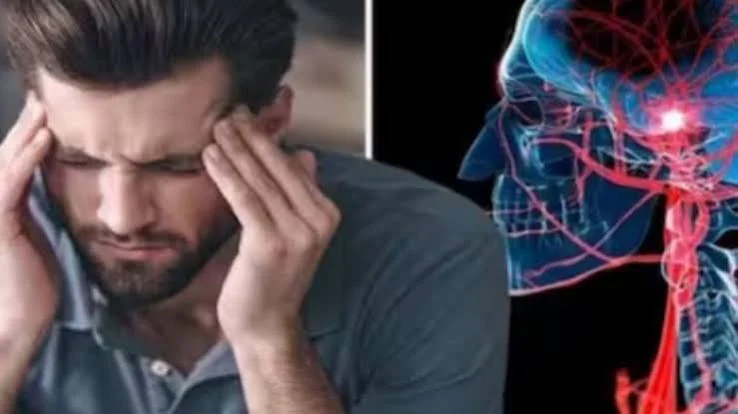
In football, basketball, hockey and other sports, head shots can occur during clashes between players.
But not every serious injury is accompanied by a loss of consciousness.
U.S. Centers for Disease Control and Prevention, CDC, warn that brain shock can cause symptoms that do not appear immediately.
Headache, madness, confusion, sensitivity to light, and difficulties in concentration are among the signs that require attention.
Under HEADS programme The CPC, a sport with alleged brain shocks, must leave activity and be assessed by a health professional.
Returning to training or racing should not be done simply because the athlete claims to feel better.
The CDC recommends a gradual process of return to sports, with several stages and under medical supervision.
The goal is to restore and reduce the risk of complications.
The problem also matters in young people's sports.
Parents, trainers, and sports clubs should be able to recognize possible signs of brain shock.
Experts also warn that a person with alarming symptoms, such as worsening consciousness, repeat vomiting or crisis, needs urgent medical evaluation.
In modern sports, protection of long - term sportsmen is increasingly important.
A fight can be lost. The consequences of a mistreated injury can last much longer.